We're thrilled to bring you our summer newsletter, designed to keep you connected and supported throughout the warmer months. Even though school is out, our commitment to your child's success and well-being continues. Dive into this edition for information to help you prepare for the exciting 2026 - 2027 school year. |
|
|
Important Updates & Information |
School Transition Supports
As Austin ISD prepares for upcoming school consolidations for the 2026–27 school year, we know that changes in environment, staff, and routine can be uniquely impactful for students receiving Special Education services. To support a seamless and accessible experience, the district has launched a Comprehensive School Transition Support Guide featuring a "Toolkit for Care" to help students process their feelings, information on campus mental health supports, enrollment timelines, and individual school links where parents can find information about upcoming campus transition events over the summer. We encourage families to review these resources on the Austin ISD Transitions Page to stay informed about summer events and help prepare your child for a positive new beginning, and you can submit any specific questions about your child's IEP, services, or accommodations via AISD Help.
|
|
|
While we are not holding Empower Hour during the summer months, that doesn’t mean you can’t continue learning. Our Family Learning Library, is an archive of every session we held this year for parents. The sessions are arranged by topic. If you have any questions about accessing the library, feel free to reach out to bree.rolfe@austinisd.org.
|
|
|
Neurodiversity Pride Day & Autistic Pride Day (June 16 & 18) |
Neurodiversity Education Academy Webinars: To celebrate Neurodiversity Pride Week (June 10–17), you can register for virtual, parent-friendly panels and workshops hosted globally but accessible right from home through the Neurodiversity Pride Day Campaign. |
|
|
Deafblind Awareness Week (June 25 – July 1) |
|
|
-
TSBVI Texas Focus 2026 Conference (In-Person): Hosted by the Texas School for the Blind and Visually Impaired, this major conference is happening right here in the Austin area (Austin Marriott North) from June 4–6, 2026. This year's theme is "Together We Thrive," and it features a dedicated registration track and tailored educational sessions specifically for families and parents of children who are blind, low-vision, or deafblind. You can view the schedule and register on the TSBVI Texas Focus Page.
- "Immersion into a DeafBlind Life" Experience (In-Person): Hosted by the DeafBlind Community of Texas, this unique simulation event takes place in Austin from June 26–28, 2026. It is an open-enrollment event where parents and community members can participate in a simulation environment to experience tactile communication and navigate the world from a DeafBlind perspective. Check registration details at the DeafBlind Community of Texas.
|
|
|
Disability Pride Month (July) & ADA Anniversary (July 26) |
|
|
-
City of Austin ADA Lunch & Learns (Virtual): The City of Austin’s Equity and Inclusion office hosts virtual ADA Lunch & Learn sessions that are open to the public. These are highly beneficial for parents looking to understand public accessibility rights, community resources, and how the ADA protects their child outside of the school environment.
-
Helen Keller National Center (HKNC) Awareness Webinars: Throughout the summer campaign, HKNC hosts free interactive national webinars open to families focusing on assistive technology, tactile sign language, and self-advocacy strategies. Keep an eye on their summer schedule at the HKNC DBAW 2026 Page.
|
|
|
|
As we wrap up another incredible school year, the transition to summer can bring a mix of excitement and a little bit of stress about the change in routine. To help your family navigate the months ahead with ease, here are some tips from our team! |
Tip 1: Make Summer Adventures Predictable (with Visual Supports!)
|
The unstructured nature of summer can sometimes feel overwhelming for students who thrive on school routines. You can reduce stress during transitions by making daily expectations and special outings predictable. |
-
For Younger Children: Lean heavily on pictures! Create a simple "First/Then" board (e.g., First put on shoes, Then go to the park) or a visual daily schedule.
-
For Older Students: A bulleted checklist on a whiteboard or a shared calendar app on their device gives them a sense of predictability and control.
|
Tip 2: Build Social Skills Through Structured Play & Community Fun |
Summer is the perfect time for practicing social skills outside the classroom walls, but a little structure goes a long way. |
-
Younger Students: Keep playdates small (1–2 familiar peers) and short. Pre-plan the activities to reduce conflict. Practice greetings, sharing, and taking turns with simple board games before the friends arrive. Sensory-friendly play gyms or quiet local parks are ideal settings.
-
Older Students: Look for natural, low-pressure peer environments. Consider enrolling them in:
- Adapted sports leagues or inclusive camp weeks.
- Library summer reading clubs or maker spaces.
- Local volunteer opportunities (e.g., helping at an animal shelter or tending to a community garden).
- Visit our list of community resources for summer opportunities.
|
Tip 3: Explore Sensory-Friendly Summer Fun! |
Summer serves up a feast of unique sensory experiences. Embracing them intentionally can keep your child regulated and happy.
For the Sensory Seekers (All Ages):
|
-
Water Play: Splash around in sprinklers, pools, or local splash pads.
-
Tactile Exploration: Dive into sandbox fun, build a backyard mud kitchen, or take nature walks to touch unique leaves, pinecones, and moss.
-
DIY Sensory Bins: Fill a plastic bin at home with rice, dried beans, or water beads for an easy, engaging, and calming sensory activity.
|
For Those Seeking Calm & Regulation: |
-
Beat the Crowds: Look for "sensory-friendly hours" at local museums, movie theaters, and trampoline parks. These specific times offer reduced noise, adjusted lighting, and a judgment-free environment. (See our list in the community resources section for ideas.)
-
Safe Spaces on the Go: Keep a small pop-up tent or a pair of noise-canceling headphones handy when traveling to new or busy places so your child always has a familiar retreat.
|
Tip 4: Keep Learning Alive (and Fun!) Through Everyday Routines. |
You don't need flashcards to prevent the "summer slide." The trick is to weave academic concepts into daily life so seamlessly that they don't even realize they're learning. |
-
Younger Students: Turn a grocery trip into math practice by counting out fruit or identifying shapes. Read road signs aloud on car rides, or have them dictate a short story to you about their weekend adventures.
-
Older Students: Put them in charge of practical math—let them calculate the total cost for an outing, figure out the tip at lunch, or manage a small summer treat budget. Have them research historical sites online for a family trip, or encourage them to keep a digital summer journal.
|
Tip 5: Practice Self-Advocacy & Independence in New Settings |
New summer environments (camps, vacations, family gatherings) are the perfect testing grounds for building lifelong self-advocacy skills. |
- Younger Students: Encourage them to practice expressing their needs to adults other than you (like a camp counselor or grandparent). Practice phrases like, "I need a break, please" or "Can you help me open this snack?"
-
Older Students: Involve them heavily in the logistics. Let them help plan a specific part of a family outing, practice navigating public transit, or order their order their own food at a restaurant.
|
Engage Younger Children in Hands-on Activities to Build Fine and Gross Motor Skills |
These simple, play-based exercises are highly adaptable using simple items.
Fine Motor Skills & Hand Strength
|
-
Play-Doh or Clay: Knead, roll into "snakes," or use cookie cutters to build hand muscles.
-
Tweezers and Tongs: Have the user pick up small objects like beads or cotton balls and transfer them to a bowl.
-
Stringing Beads: Thread cheerios, fruit loops, or pasta onto a string to make necklaces.
- Hole Punching: Use a hole puncher to create designs or punch patterns in paper.
|
-
Laundry Basket Carry: Fill a light laundry basket with clothes and have the user navigate carrying it across a room.
-
Sock Toss: Roll up socks and practice tossing them into a laundry basket target to improve hand-eye coordination.
-
Obstacle Courses: Create simple courses using pillows to jump between, tables to crawl under, or blankets to balance on.
-
Animal Walks: Encourage the child to move across the room while imitating different animals (bear crawls, crab walks).
|
-
Sensory Bins: Hide small toys or puzzle pieces in a container filled with dry rice, beans, or pasta for tactile exploration.
-
Shaving Cream Play: Spray shaving cream on a flat surface or in the bathtub to let the user draw shapes and wash off toys.
-
Sorting Games: Sort coins, paperclips, or differently shaped pasta to practice visual scanning and categorization.
|
|
|
|
Programs not vetted or funded through Austin ISD |
|
|
|
-
Camp Wonder: Tailored for youth ages 6–11.
-
Camp Discover: Tailored for teens ages 12–16.
-
Bonus: Camps include adapted field trips to local city pools, parks, and regional accessible destinations.
-
Sprout into Success: A targeted recreation therapy group program focused on building peer social connections, problem-solving, and boosting fine and gross motor skills.
-
Contact: trservices@austintexas.gov
|
|
|
|
Specialized & Inclusive Summer Camps
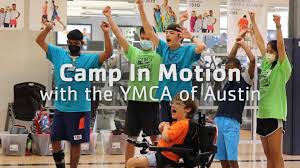
Greater Austin YMCA – Camp in Motion
Who it’s for: Individuals ages 5–20 with mild-to-moderate cerebral palsy or similar neurological diagnoses.
The Setup: Campers do traditional camp things—sports, music, dance, and daily pool activities—alongside physical and occupational therapists.
Financial Note: Because it utilizes therapeutic staff, the cost of the camp can often be submitted to major health insurance plans using therapy billing codes.
|
|
|
|
Joshua’s Stage
Who it’s for: Children and unique individuals with a wide range of special needs.
The Setup: This program flips the script on traditional camps by focusing heavily on the arts. Campers explore theater arts, improv, arts and crafts, music, dance, and creative storytelling, culminating in a showcase where everyone gets a chance to shine.
|
|
|
Spark Learning Summer Camp
Behavior-supported, intentional inclusive groups.
Who it’s for: Children and teens (ages 4–14 for Spark Camp; ages 15–18 for Spark Pathways).
The Setup: They offer a brilliant dual-track system depending on your family's needs:
Option 1 (ABA-Track): Insurance-funded camp hours with an assigned ABA therapist embedded directly into the camp day to work on individualized treatment goals.
Option 2 (Tuition-Track): A traditional, inclusive small-group camp format emphasizing friendship and summer enrichment without individualized therapy.
|
|
|
Regional Day & Overnight Camps |
|
|
If you are looking to venture slightly outside city limits for an overnight experience, Texas has some of the best specialized camp grounds in the country: |
-
Camp For All (Burton, TX): A barrier-free, universally accessible camp working with over 65 non-profit partners. They offer adapted aquatics, horseback riding, archery, and universally accessible challenge courses.
-
Morgan’s Wonderland Camp (San Antonio, TX): A massive 102-acre state-of-the-art facility specifically built from the ground up for individuals of all ages with physical and developmental disabilities.
|
|
|
Parent Resources & Structured At-Home Support |
|
|
Sensory-Friendly Local Hours: If you are building your own schedule, local spots like Thinkery, Little Land Play Gym, and various local movie theaters (like AMC and Alamo Drafthouse) offer "Sensory-Friendly" mornings or screenings with lowered audio, modified lighting, and a judgment-free environment.
Summer Food Service Program: Austin ISD coordinates summer meal sites across the city to ensure families have continuous access to healthy food options. You can easily locate active sites by calling 2-1-1 or checking the interactive map at www.SummerFood.org starting June 1st.
Austin Public Library: The APL has a variety of programs and resources for parents all summer long. Bonus: They are all free! Check out this presentation to find out more about their programs.
|
|
|
🧩 Thank You for Being a Vital Part of Our Team
We’re proud to partner with you to support your student's success in Austin ISD Special Education.
🗣️ Questions or Feedback?
Email our Family Learning & Engagement Specialist bree.rolfe@austinisd.org
📚 Need Resources?
Visit our Special Education website for tools, supports, and info.
📲 Stay Connected
✔ Download the Austin ISD App and follow the Special Education Department
✔ Follow us on Instagram: @aisdspecialeducation
💙 Together, we build strong connections—one student, one family at a time.
|
|
|
|
|